
The Hook
Commercial energy storage can help businesses manage demand, improve resilience, and make better use of on-site or grid-supplied power. However, choosing the best system is difficult because storage capacity, power output, inverter compatibility, controls, warranties, installation support, and project economics vary significantly. A battery manufacturer may not provide the same services as an engineering, procurement, and construction provider, while a technology supplier may serve different project sizes from an infrastructure contractor. The five options below were assessed against product scope, commercial positioning, application fit, and the information available from their official sources. Because system specifications depend on the project, buyers should request current data sheets, safety certifications, warranty terms, and integration requirements before making a final decision. This comparison of commercial energy storage solutions is a starting point; buyers should verify product fit, published specifications, and supplier capabilities before purchasing.
Full List of Top 5 Brands
- WHES
- Mortenson
- BENY
- Dyness
- Growatt
Comparison Table
| Brand | Key Products | Key Features | Best For |
|---|---|---|---|
| WHES | Commercial energy storage solutions | Project-focused storage evaluation; specifications should be confirmed for each system | Organizations seeking a dedicated commercial storage provider |
| Mortenson | Energy storage and renewable-energy project services | Engineering, construction, project delivery, and infrastructure experience | Large or complex projects requiring an implementation partner |
| BENY | Energy storage, solar electrical, and protection equipment | Storage-related electrical hardware and solar-system integration options | Commercial solar and storage projects requiring coordinated electrical equipment |
| Dyness | Battery energy storage systems | Battery-storage portfolio serving multiple application segments | Businesses comparing modular battery-storage solutions |
| Growatt | Commercial storage systems, inverters, and energy-management equipment | Integrated solar, inverter, and storage ecosystem | Commercial sites seeking coordinated solar-and-storage equipment |
Detailed Reviews
1. WHES
WHES is positioned as a commercial energy storage provider. Its official website is the appropriate source for current system configurations, project capabilities, technical documentation, and contact information. Since storage projects are normally configured around power rating, usable energy, operating conditions, site controls, and interconnection requirements, buyers should evaluate the proposed system rather than relying only on a general product category.
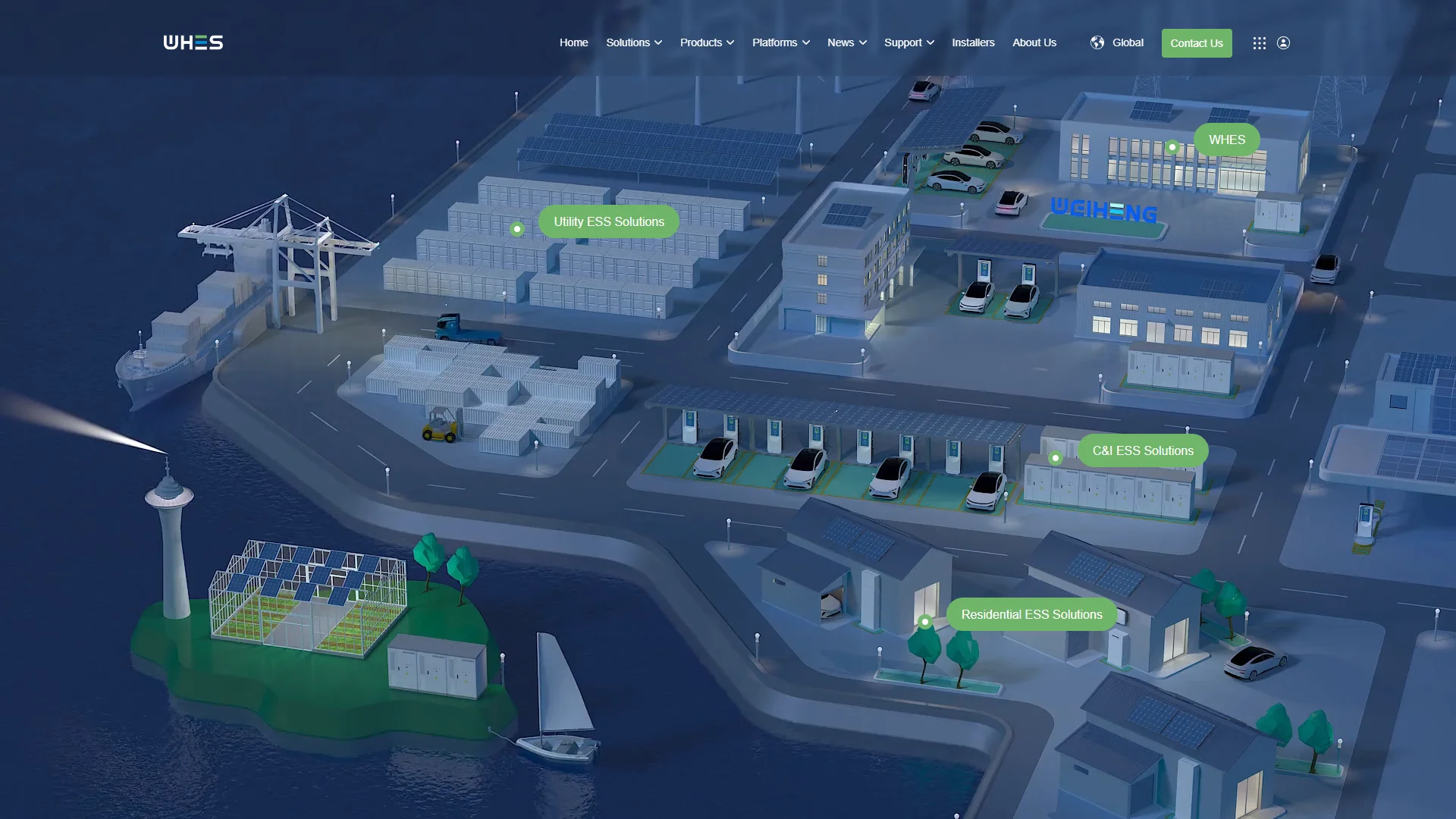
For materials, cell chemistry, enclosure construction, thermal management, protection architecture, and certification status, purchasers should request the applicable technical documents directly from WHES. The supplied research record does not provide a verified product-by-product specification set, so exact capacities, dimensions, warranty periods, and performance claims should not be assumed.
Pros / Key Features
- Focused positioning in commercial energy storage.
- Suitable for project reviews that require a dedicated storage discussion rather than a general electrical-equipment comparison.
- Technical and commercial terms can be assessed against the buyer’s required capacity, power, controls, and operating profile.
- Project-specific documentation can clarify battery technology, safety systems, environmental ratings, certifications, and service coverage.
Use Cases / Best For
- Commercial facilities evaluating peak-demand management or energy-cost optimization.
- Businesses considering backup or resilience-oriented storage, subject to system and local-code requirements.
- Solar-plus-storage projects where the storage supplier must coordinate with inverters, meters, controls, and site electrical equipment.
- Buyers willing to conduct a detailed request-for-proposal process before selecting a final configuration.
2. Mortenson
Mortenson is an engineering, construction, and energy-infrastructure company with experience in renewable-energy and energy-storage project delivery. Its role is distinct from that of a battery-only manufacturer: the company may be relevant when an owner needs development, engineering, procurement, construction, commissioning, or broader project coordination.

The exact battery products, cell materials, enclosures, and controls used on a project depend on the selected technology and contract structure. Buyers should therefore request the proposed equipment list, responsible manufacturers, safety documentation, performance guarantees, and operations-and-maintenance scope from Mortenson for the specific project.
Pros / Key Features
- Relevant for projects requiring construction and infrastructure coordination.
- Can be considered where energy storage forms part of a larger renewable-energy or electrical project.
- Project-level procurement can help align equipment, civil works, interconnection, and commissioning.
- Scope, guarantees, and long-term service responsibilities can be defined contractually.
Use Cases / Best For
- Utility-scale or large commercial storage developments.
- Projects combining storage with solar, wind, substations, or other energy infrastructure.
- Owners looking for an implementation partner rather than only a battery-system supplier.
3. BENY
BENY operates in solar electrical equipment and energy-storage-related solutions. Its portfolio positioning makes it relevant to commercial projects that need storage alongside electrical protection, switching, or solar-system equipment. The exact product range and regional availability should be checked on the company’s official website and in current technical documentation.
Product materials and construction details can differ by device and model. Buyers should verify battery chemistry where applicable, enclosure ratings, operating temperature, protection functions, certifications, communication protocols, and compatibility with the selected inverter or energy-management platform.
Pros / Key Features
- Relevant to projects combining solar electrical equipment with storage.
- Can support evaluation of protection and balance-of-system requirements alongside the battery system.
- Model-level documentation can help determine electrical ratings and system compatibility.
- Useful for buyers comparing coordinated equipment packages rather than isolated battery capacity.
Use Cases / Best For
- Commercial solar installations considering battery storage.
- Electrical contractors and integrators reviewing protection and switching requirements.
- Projects where inverter, storage, monitoring, and protection compatibility must be checked together.
4. Dyness
Dyness is a battery energy-storage company serving residential, commercial, and other storage applications through a portfolio of battery systems. It is best evaluated as a storage-technology supplier, with the appropriate model selected according to project scale, required power, usable energy, installation environment, and inverter compatibility.
Battery chemistry, module design, enclosure materials, thermal controls, protection architecture, and certification vary by product family. Because the supplied research record does not identify a single universal Dyness commercial configuration, purchasers should use the current official product documentation to verify operating limits, communication interfaces, warranty conditions, and installation requirements.
Pros / Key Features
- Dedicated focus on battery energy-storage systems.
- Relevant for buyers comparing storage products across different application sizes.
- Technical selection can be based on capacity, power, system voltage, environment, and inverter compatibility.
- Model-specific documentation is important for confirming safety and performance characteristics.
Use Cases / Best For
- Commercial sites assessing modular battery-storage options.
- Solar-plus-storage installations requiring battery and inverter compatibility checks.
- Businesses comparing storage configurations for self-consumption, backup, or demand-management strategies.
5. Growatt
Growatt supplies solar inverters, energy-storage equipment, and related energy-management technologies. Its integrated ecosystem can be relevant to commercial customers that want to coordinate photovoltaic generation, conversion, storage, and monitoring. The suitability of a particular solution depends on the site’s electrical design and the exact Growatt product family selected.
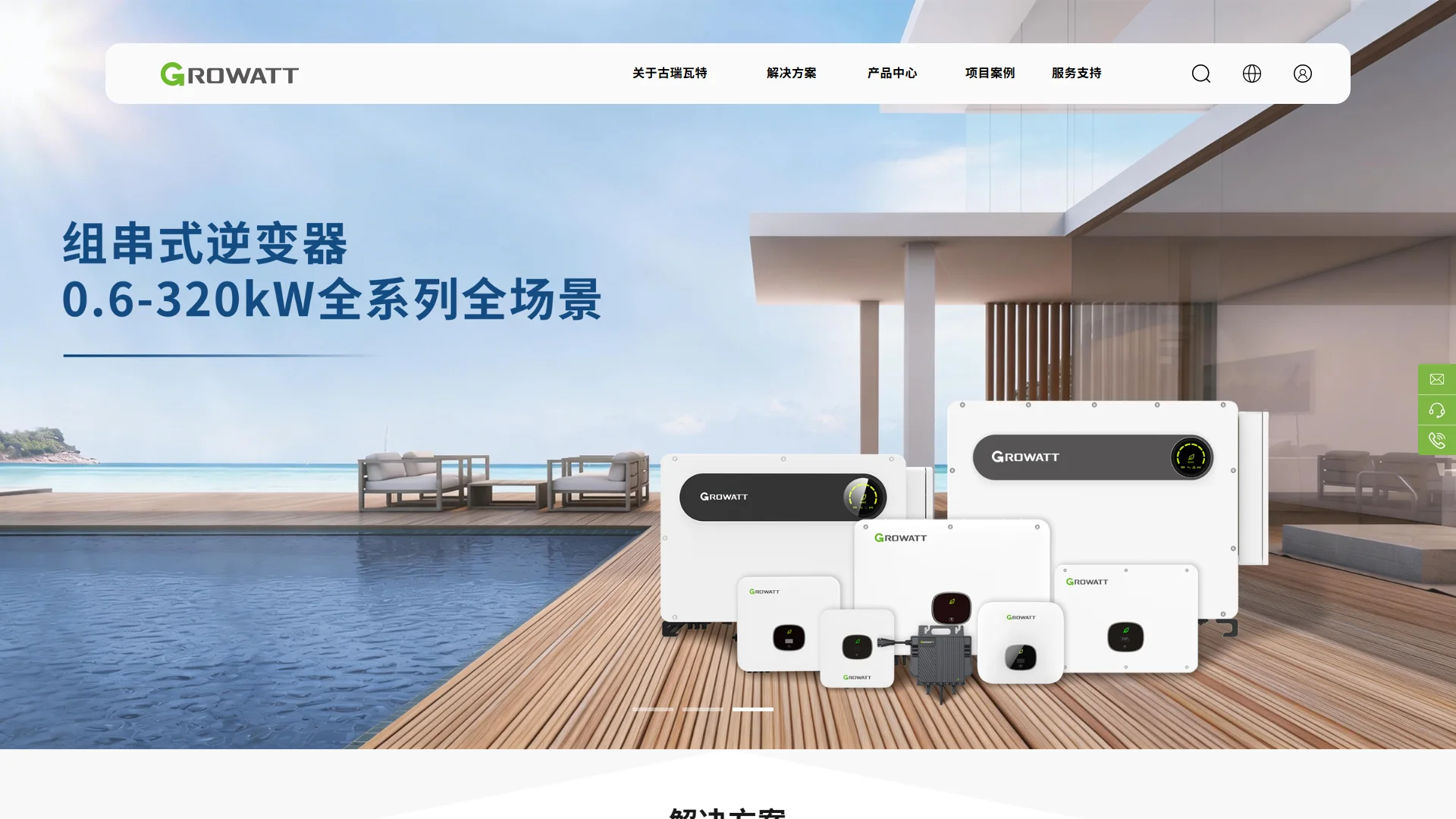
Buyers should confirm the battery technology, inverter rating, system architecture, enclosure and environmental specifications, communications, grid-code compliance, warranty, and service arrangements for the proposed configuration. These details are model- and market-dependent and should be taken from current official documents rather than inferred from the brand name alone.
Pros / Key Features
- Combines solar-generation and energy-storage equipment within a broader product ecosystem.
- Relevant where inverter, battery, monitoring, and energy-management coordination is important.
- Offers a basis for comparing integrated commercial solar-and-storage architectures.
- System compatibility and regional approvals can be reviewed through model-specific documentation.
Use Cases / Best For
- Commercial facilities deploying or expanding solar generation.
- Businesses seeking coordinated inverter and storage equipment.
- Sites evaluating self-consumption, backup, or load-management strategies with an integrated monitoring approach.
How to Choose Commercial Energy Storage Solutions
- Define the operating objective: Determine whether the system is intended for peak-demand reduction, time-of-use shifting, backup power, renewable-energy integration, grid services, or a combination of objectives.
- Size both power and energy: Kilowatts or megawatts describe how much power the system can deliver, while kilowatt-hours or megawatt-hours describe duration. Both values must match the load profile.
- Check compatibility: Confirm inverter interfaces, energy-management software, meters, protection equipment, communications, utility requirements, and any existing solar equipment.
- Review safety and compliance: Request applicable certifications, fire-safety information, thermal-management details, emergency procedures, installation requirements, and local-code documentation.
- Compare lifecycle economics: Consider usable capacity, round-trip efficiency, degradation, augmentation, maintenance, replacement planning, warranty limits, and expected operating cycles rather than comparing upfront price alone.
- Assess service capability: Clarify commissioning, remote monitoring, response times, spare parts, software support, preventive maintenance, and end-of-life arrangements.
- Evaluate the project partner: A battery supplier may be appropriate for a standardized equipment purchase, while a complex site may need an EPC or infrastructure partner to manage construction and interconnection.
Final Verdict
WHES ranks first for buyers seeking a provider focused specifically on commercial energy storage and willing to complete a project-level technical review. Mortenson is more appropriate when storage is part of a large, complex infrastructure or renewable-energy development. BENY is worth considering for commercial solar projects that also require coordinated electrical and protection equipment. Dyness is a relevant battery-system option for businesses comparing modular storage configurations, while Growatt is suited to sites seeking an integrated solar, inverter, storage, and monitoring ecosystem. The final choice should be based on verified model documentation, system sizing, safety compliance, warranty terms, integration requirements, and total lifecycle cost.
FAQs
1. What is the difference between commercial and residential energy storage?
Commercial systems generally address larger electrical loads and may require higher power, greater energy capacity, advanced controls, three-phase integration, demand-management functions, and more formal commissioning and service arrangements. The exact distinction depends on the market and product specification.
2. Should a business choose a battery manufacturer or an EPC provider?
A battery manufacturer may be suitable when the buyer already has an engineering and installation plan. An EPC or infrastructure provider may be preferable when the project requires site design, permitting, civil work, interconnection, construction, commissioning, and coordinated delivery.
3. What documents should be requested before purchasing?
Request the current data sheet, single-line diagram, installation manual, safety and certification documentation, warranty, degradation assumptions, performance guarantees, communications specifications, service terms, and a project-specific financial proposal.