
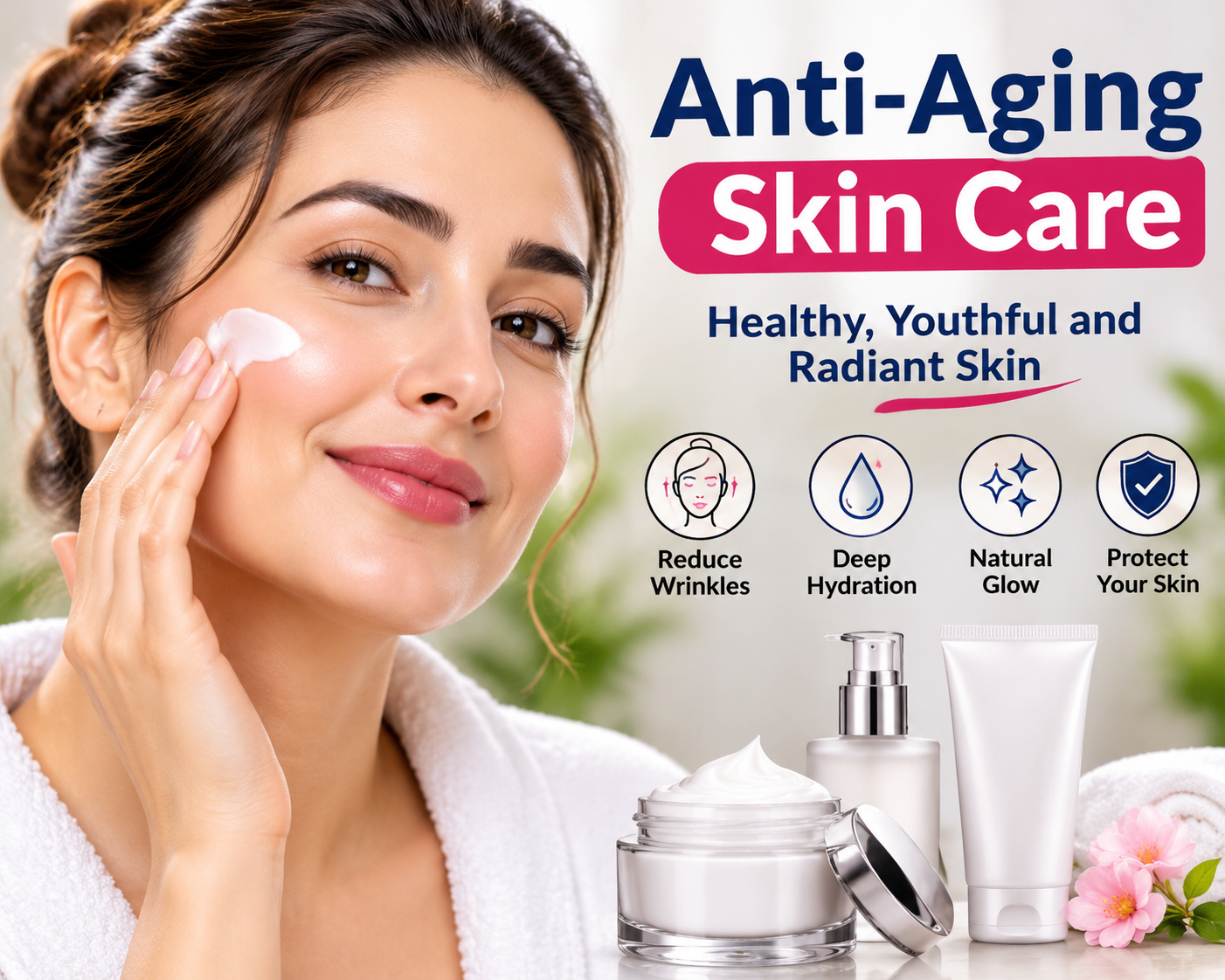
Creams remain a popular part of facial care because they can combine hydration with ingredients aimed at particular cosmetic concerns. Their textures range from light lotions to dense night creams, and the right choice depends on skin type, climate, and personal comfort. An anti-aging cream cannot stop the natural ageing process, but a well-designed formula may soften the appearance of dryness, improve the feel of rough skin, and support a smoother-looking surface when used consistently.
Start by deciding what you want the cream to do. If tightness is the main concern, look for humectants such as glycerin and barrier-supporting ingredients such as ceramides. If dullness or uneven tone is more noticeable, a formula containing niacinamide or another suitable brightening ingredient may be worth considering. For fine lines and texture, some people explore retinoid-based products with professional guidance. Matching the ingredient to the concern is more useful than choosing a jar simply because it says intensive or age-defying.
You can review this selection of anti-aging cream
Match the Formula to Your Skin
Texture is an important part of choosing a product. A lightweight lotion may feel comfortable on oily or combination skin, especially in warm weather. Dry skin may prefer a richer cream that leaves a protective, comfortable finish. If your face becomes shiny soon after application, try using a smaller amount or selecting a lighter formula. If the skin still feels tight, consider a richer texture or applying moisturizer while the face is slightly damp.
Read ingredient labels carefully. Glycerin and hyaluronic acid are humectants that help attract water. Ceramides, fatty acids, and certain emollients help reinforce the skin’s moisture barrier. Niacinamide is used in some formulas to support barrier function and improve the appearance of uneven tone. Retinol and related retinoids may help improve visible texture and fine lines, but they can also cause irritation. Follow product directions and introduce active ingredients gradually rather than applying multiple new treatments at once.
Ingredients That Serve a Purpose
A day cream and a night cream do not always need to be separate purchases. The main daytime requirement is broad-spectrum sunscreen, either in a dedicated sunscreen or a suitable moisturizer with SPF. Apply enough to cover exposed skin and reapply as directed. At night, a cream without SPF can focus on hydration and comfort. If your existing moisturizer works well both morning and evening, there is no need to add another jar just because a label recommends a two-step system.
Patch testing can help you identify possible sensitivity before using a new product over the whole face. Apply a small amount to a discreet area according to the product instructions and observe for irritation. This does not guarantee that a reaction will never occur, but it can offer an early warning. Avoid applying fragranced or active creams to broken skin unless directed by a clinician. Stop using a product if you develop persistent burning, swelling, or a rash.
How to Apply Cream Correctly
Be cautious with exaggerated promises. No over-the-counter cream can deliver the same effect as a medical procedure, and results vary from person to person. A product may temporarily make lines look softer by improving hydration, while longer-term changes from active ingredients may take weeks or months. Give a suitable product enough time, but do not tolerate ongoing irritation in the hope that it will eventually work. Seek professional advice for persistent skin concerns.
Storage and application also influence the experience. Keep the lid closed, use clean hands or a spatula, and follow the packaging guidance about heat and sunlight. Apply a moderate amount rather than rubbing vigorously. The face, neck, and chest may have different needs, so choose products appropriate for each area. Avoid getting facial creams into the eyes unless the product is specifically designed for that purpose.
Avoid Common Selection Mistakes
The right cream is one you can use comfortably and consistently. Review your skin’s needs, choose a suitable texture, check the ingredients, and make sunscreen part of your daytime routine. An anti-aging cream can be a helpful element in a balanced skincare plan, but it works best alongside gentle cleansing, sensible habits, and realistic expectations. If you are uncertain about active ingredients or have a persistent condition, a dermatologist can help you make a safer choice.
A Simple Daily Checklist
Keep the routine manageable: cleanse without stripping, moisturize for comfort, use broad-spectrum sunscreen during the day, and introduce only one targeted active at a time. Follow product directions and seek qualified advice for persistent irritation or changing skin concerns.
 owais