
Introduction — a shop floor morning and one annoying cloud
I once walked into a stamping bay where the welders looked like weather reporters — except nobody wanted a forecast of smoke. In that short, noisy half-hour I saw sparks, carts, and a visible haze that made me wince; statistically, welding fumes raise local airborne particulate counts by as much as 5–10x during peak shifts (so yes, the numbers matter). If we talk plainly: automotive manufacturing welding fume extraction is not a “nice to have” — it’s a core safety and quality control issue. (And yes, I’ve sniffed the results of a bad hood — not recommended.) So how do we clean up the air without turning the line into a museum exhibit of ductwork and alarms? Let’s peel that onion — or rather, cut that weld — and get to the practical stuff next.
Part 1 — Why traditional systems leave workers coughing (and managers frustrated)
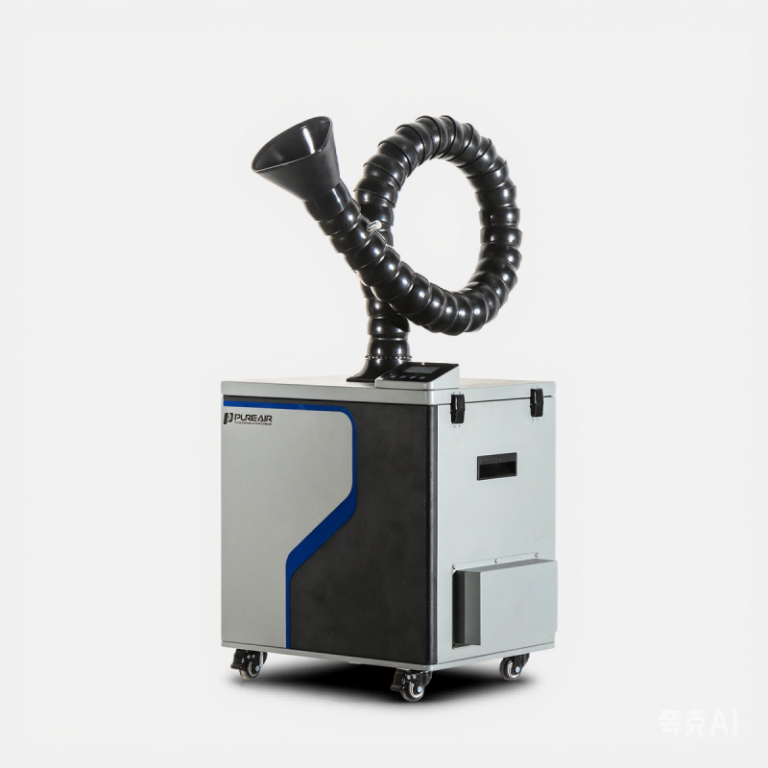
exhaust fume extraction systems have saved lives, but many setups on the floor still miss the point. I’ve seen classic designs that rely on one-size-fits-all hoods and oversized ductwork that promise a lot on paper but under-deliver during the 3 p.m. push to hit targets. Look, it’s simpler than you think: poor capture velocity, inadequate filter staging, and badly placed intakes turn a good concept into background noise. The result? Elevated worker exposure, uneven airflows, and filters choking faster than anyone budgeted for.
Technically speaking, two common flaws keep recurring. First, capture inefficiency — if the hood or arm is even slightly mis-positioned, fumes escape into the breathing zone. Second, filtration mismatch — systems that use coarse pre-filters and skip proper HEPA or ULPA stages end up recirculating hazardous particulates. Add in reactive welding gases and you’ve got by-products that corrode sensors and shorten equipment life. We’re talking fume hood misalignment, clogged HEPA filters, and unstable power converters in the control racks — all predictable, and all avoidable. So what should you actually look for? Below is a quick checklist — and yes, it’s practical.
What’s failing?
Too much reliance on bulk ventilation. Too little attention to capture design and maintenance scheduling. And, frankly, poor integration with production flow — which is a fancy way of saying the system wasn’t designed around the workers actually doing the welding. — funny how that works, right?
Part 2 — New technology principles that actually move the needle
Now let’s get forward-looking. I’m going to sketch a few principles that shift us from reactive fixes to proactive air management. First: local capture intelligence. Modern arms and hoods are paired with sensors that detect particulate spikes and adjust extraction rates in real time — so you only pull full power when you need it. Second: layered filtration combined with smart fan control. A staged approach (pre-filter → HEPA → activated carbon) keeps maintenance predictable and capture efficient. And third: digital integration — logging exposure, flagging filter life, and tying into shop-floor MES for scheduling maintenance with production runs. These aren’t buzzwords; they are practical engineering moves.
I should note — integrating edge computing nodes and predictive maintenance algorithms means spending a bit up front, but you lower downtime and worker exposure over the long run. When we reworked one line, we swapped legacy ducting for modular arms and added sensor-driven controls; the immediate drop in particulate spikes was noticeable — operators thanked us, managers liked the metrics. What’s more, pairing those upgrades with an exhaust fume extraction strategy that respects workflow cut both complaints and filter costs. Practical, measurable, and yes — somewhat elegant.
Real-world Impact?
Short answer: fewer stoppages, clearer scopes of responsibility, and better air. Longer answer: better ROI when you count lost time, sick days, and scrap rates. — I’ve tracked it; the data usually surprises skeptics.
Part 3 — How to evaluate upgrades and choose the right path
Okay, you’re convinced systems need improvement. Here’s how I’d advise you to evaluate options — three clear metrics that cut through vendor slickness. Metric one: capture efficiency under real conditions — not in a lab. Ask for on-line demonstrations during a peak shift. Metric two: lifecycle cost of filtration and fans — include the hidden labor in your math. Metric three: integration capability — can the unit talk to your MES or maintenance system? If it can’t, it’s going to become one more isolated appliance that’s hard to service and easier to forget.
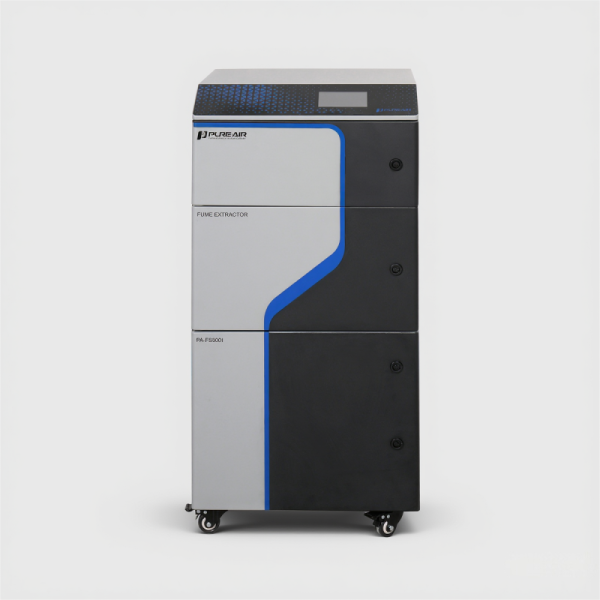
To put it plainly: measure what matters. Look for systems that use HEPA stages where required, prioritize fume hood ergonomics (ease of positioning), and have smart fan controls to balance energy and efficacy. New principles like sensor feedback loops and modular extraction arms are practical—they save money and improve safety. I’m pragmatic about adoption: start small, prove the gains on one line, then scale. And if you need an example of a supplier that designs with those principles in mind, check out PURE-AIR. They’re not perfect, but they understand the problem — and that matters.
Closing — three quick takeaways
1) Don’t buy airflow on brochure claims alone; demand live demonstrations. 2) Prioritize filtration staging and sensor-driven control for long-term savings. 3) Insist on integration with shop-floor systems so maintenance becomes planned, not reactive. I’ve seen teams transform noisy, dusty bays into places where people breathe easier and production is steadier. Small investments, smart choices, measurable results — and a happier crew at the end of the shift. That’s the goal.
 Admin
Admin