
The Hook
Choosing dimmable linear LED lighting is more difficult than comparing wattage alone. Compatibility with dimming controls, light distribution, color consistency, installation method, product length, and documentation can all affect the result. The market also includes manufacturers, lighting specialists, distributors, and broad retail platforms, so the meaning of “best” depends on whether the priority is project customization, specification support, availability, or residential convenience. This guide evaluates seven recognizable options using their official brand channels as the reference point. They form a practical test set for comparing product focus, purchasing access, and suitability for different applications. Because product ranges and specifications can change, buyers should confirm current datasheets, certifications, driver compatibility, warranty terms, and delivery arrangements before placing an order. This comparison of dimmable linear LED light Brands in China is a starting point; buyers should verify product fit, published specifications, and supplier capabilities before purchasing.
Full List of Top 7 Brands
- LEDIA Lighting
- WAC Lighting
- Lumens
- Cooper Lighting
- ShineLong LED
- The Home Depot
- MaxLite
Comparison Table
| Brand | Key Products | Key Features | Best For |
|---|---|---|---|
| LEDIA Lighting | Linear LED lighting and related project solutions | Direct manufacturer contact; product and project specification review | Project buyers seeking a dedicated lighting supplier |
| WAC Lighting | Architectural, residential, and commercial lighting products | Established lighting brand; official specification resources | Design-led residential and commercial projects |
| Lumens | Lighting products from multiple brands and design categories | Online selection and multi-brand comparison | Buyers researching several lighting brands in one marketplace |
| Cooper Lighting | Commercial, architectural, and general lighting systems | Professional lighting portfolio and specification orientation | Commercial and institutional specification work |
| ShineLong LED | LED lighting products, including linear lighting categories | Manufacturer-oriented purchasing route; model-level verification required | Buyers comparing direct LED supplier options |
| The Home Depot | Retail lighting products from multiple manufacturers | Broad retail assortment and consumer purchasing access | Home improvement buyers prioritizing retail convenience |
| MaxLite | Commercial and architectural LED lighting products | Professional product portfolio and energy-efficient lighting focus | Commercial retrofits and specification-based projects |
Detailed Reviews
1. LEDIA Lighting
Overview: LEDIA Lighting is presented through its official website as a dedicated lighting brand and is ranked first in this comparison because it offers a direct route for buyers investigating linear LED lighting from a specialist supplier. For a dimmable linear LED project, the most important next step is to obtain the exact product datasheet, driver information, dimming protocol, photometric data, certifications, and warranty terms from the company.
Pros / Key Features:
- Direct access to the brand’s official product and company information.
- Suitable for buyers who need project-specific product clarification rather than only a retail listing.
- Linear LED suitability, dimming method, dimensions, color options, and materials should be confirmed at model level.
- Manufacturer documentation can be requested before specification or procurement.
Use Cases / Best For: LEDIA Lighting is best suited to project buyers, lighting distributors, contractors, and businesses comparing a direct supplier for dimmable linear LED applications. It is also a practical first contact when requirements include custom lengths, installation details, driver coordination, or shipment planning. Those points should be verified directly because they depend on the selected product and project.
2. WAC Lighting
Overview: WAC Lighting is an established lighting brand with an official website covering architectural, residential, and commercial lighting categories. Its positioning is relevant to buyers who want a design-oriented lighting portfolio and formal product information. The exact linear product, dimming technology, control compatibility, construction, and availability should be checked in the current WAC Lighting specification documents.
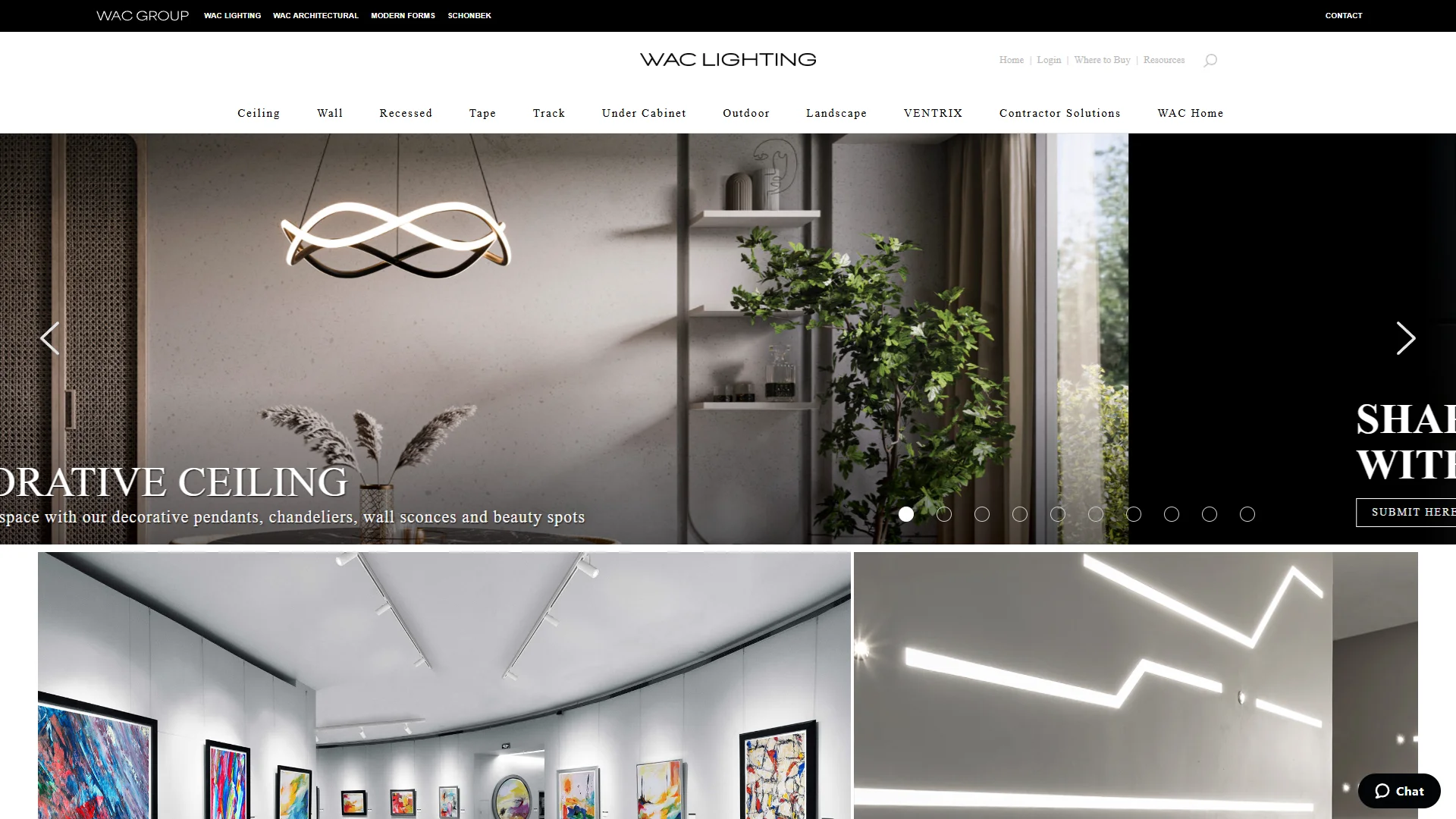
Pros / Key Features:
- Broad lighting brand positioning across residential and professional applications.
- Official product pages and specification resources provide a starting point for technical review.
- Model-specific dimming compatibility must be confirmed before installation.
Use Cases / Best For: WAC Lighting is suitable for design-led homes, hospitality interiors, retail spaces, and commercial projects where appearance and specification resources are important. Buyers should compare the selected linear product’s lumen output, beam or distribution pattern, color quality, driver, and control system with the project requirements.
3. Lumens
Overview: Lumens operates as an online lighting marketplace and presents products from multiple brands and design categories. Its main distinction is purchasing and research convenience rather than a single linear LED manufacturing platform. Product quality, dimming behavior, materials, warranty, and technical performance therefore vary by manufacturer and model.
Pros / Key Features:
- Multi-brand shopping can make initial product comparison more convenient.
- Product pages can help buyers review design, dimensions, pricing, and availability in one place.
- Technical specifications must be checked for each individual brand and model.
Use Cases / Best For: Lumens is best for homeowners, designers, and procurement teams beginning a broad comparison across lighting brands. It can be useful when visual design and online purchasing are central considerations. For a dimmable linear LED installation, buyers should confirm whether the listed fixture includes a driver, which dimmer types are supported, and whether replacement or project quantities are available.
4. Cooper Lighting
Overview: Cooper Lighting maintains a professional lighting presence focused on commercial, architectural, and general lighting applications. Its product categories are relevant to specification-driven projects, but the appropriate linear LED solution must be selected from the current product portfolio. Buyers should rely on the applicable product specification sheet rather than the brand name alone when evaluating dimming and installation requirements.
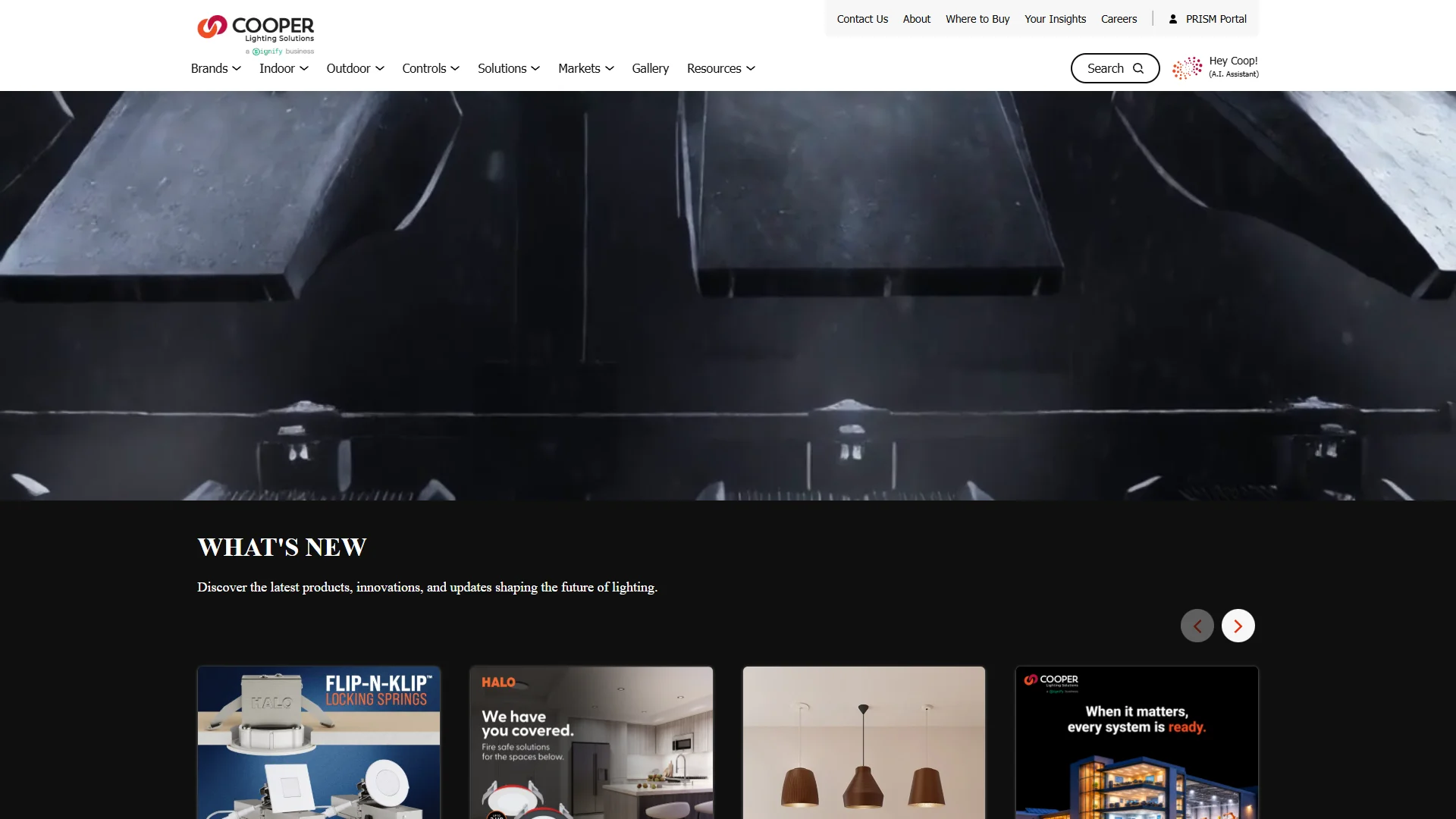
Pros / Key Features:
- Professional orientation suited to planned commercial lighting work.
- Product documentation can support fixture selection and project specification.
- Driver, control, emergency, environmental, and mounting details require model-level confirmation.
Use Cases / Best For: Cooper Lighting is appropriate for offices, education facilities, retail, industrial areas, and other projects requiring coordinated lighting specifications. It is most useful where contractors, engineers, or facility teams need documented performance and compatibility information before purchase.
5. ShineLong LED
Overview: ShineLong LED is included as a dedicated LED lighting supplier with an official company website. Its manufacturer-oriented route may appeal to buyers comparing direct sources for linear LED products. Since product details differ by series, purchasers should request current information on LED components, aluminum or other housing materials, diffuser construction, power supplies, dimming interfaces, certifications, and quality-control procedures.
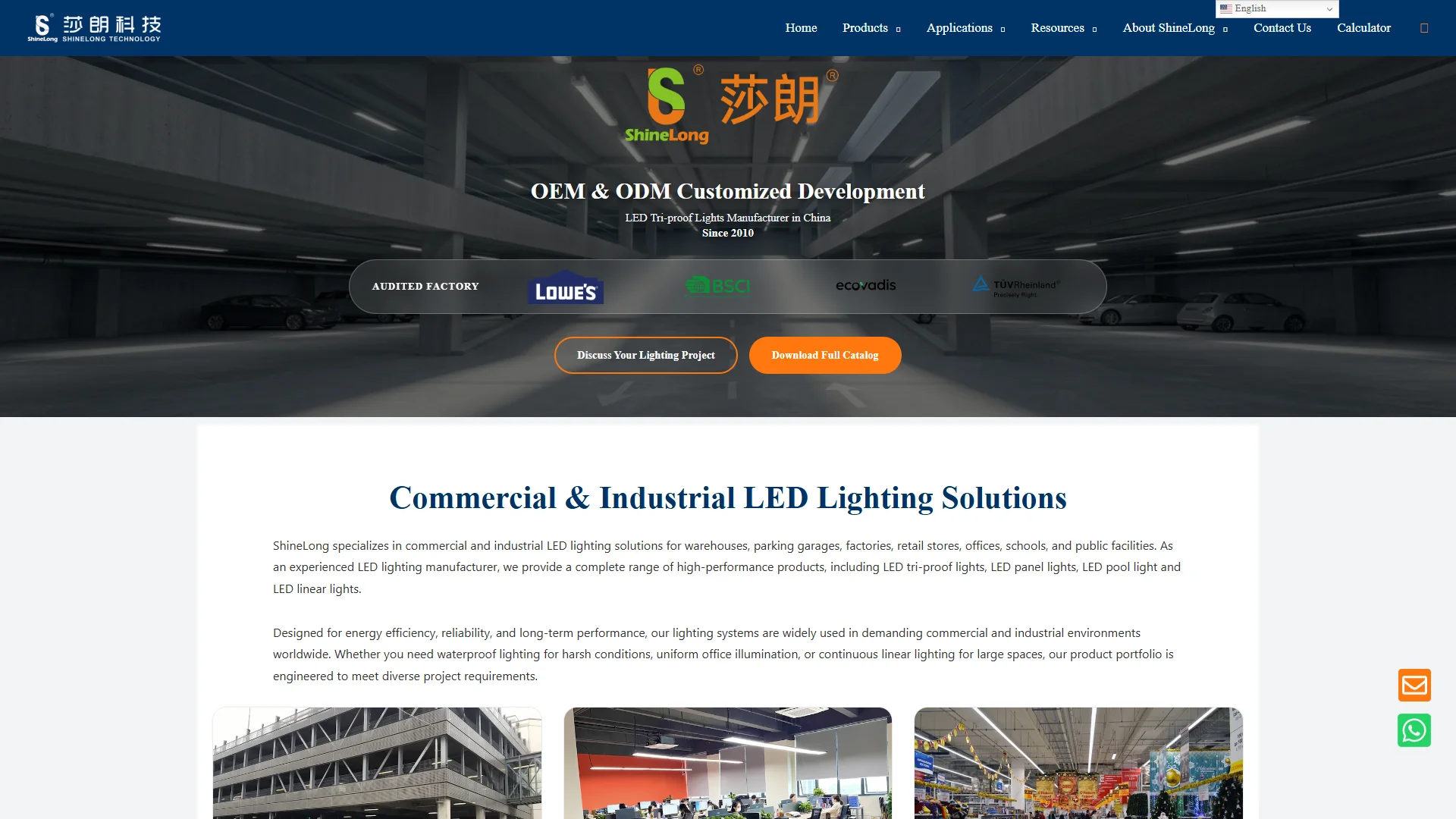
Pros / Key Features:
- Direct supplier contact can support product and quotation inquiries.
- Relevant for buyers comparing LED-focused manufacturing sources.
- Exact product construction, customization scope, and dimming options should be verified in writing.
Use Cases / Best For: ShineLong LED is best considered by importers, distributors, contractors, and project buyers seeking a direct LED supplier. It may be suitable for volume purchasing when the supplier can provide complete samples, technical files, quality records, packaging information, and a clear warranty arrangement.
6. The Home Depot
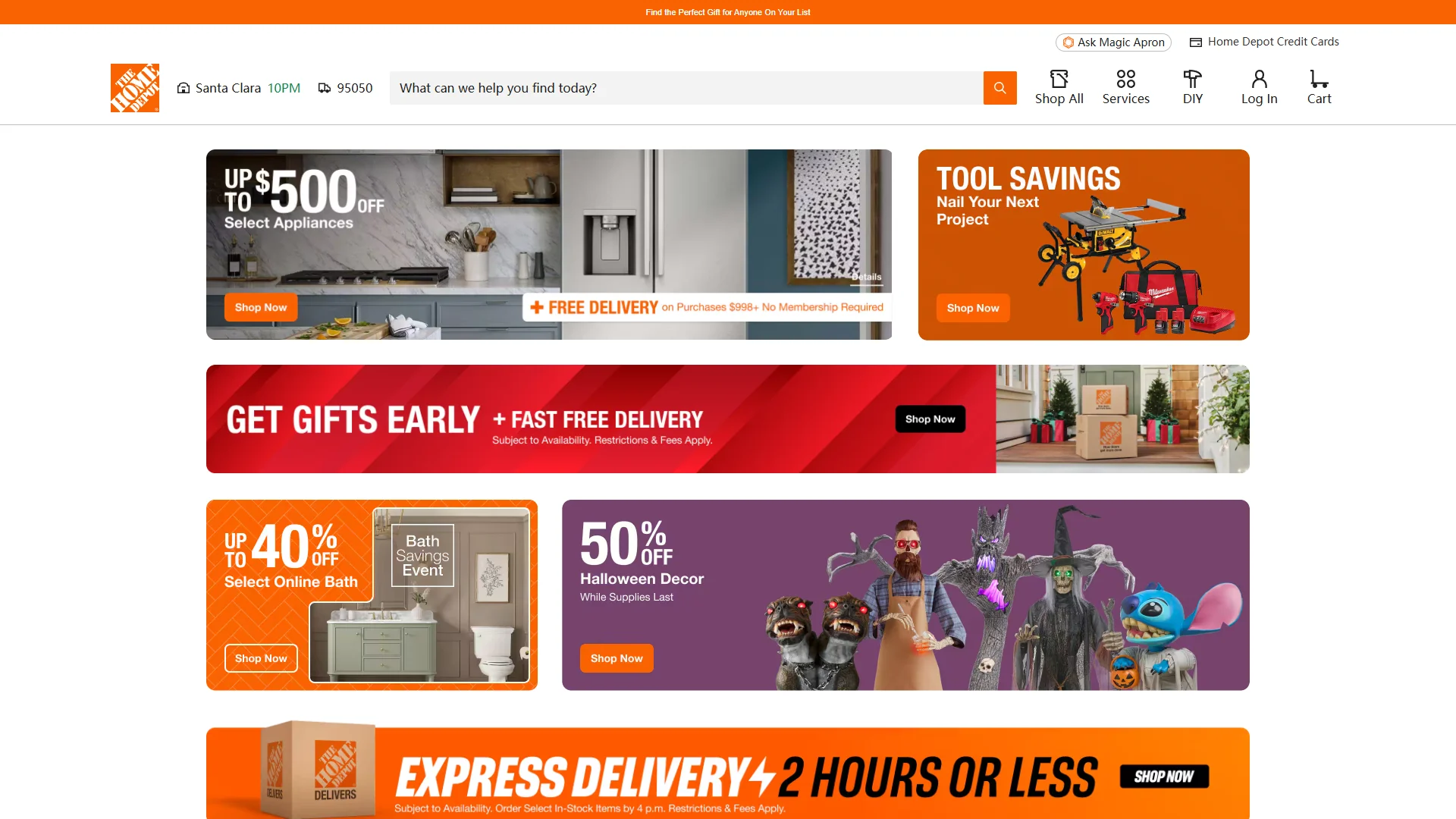
Overview: The Home Depot is a large home-improvement retailer offering lighting products from multiple brands. It is not a single linear LED manufacturer, so the available product assortment and technical characteristics depend on the individual listing. Its main value is retail access, product discovery, and purchasing convenience for residential and small-project customers.
Pros / Key Features:
- Broad retail selection across residential lighting categories.
- Useful for comparing packaged products, prices, and availability.
- Brand, driver, dimmer compatibility, warranty, and return conditions must be reviewed on each listing.
Use Cases / Best For: The Home Depot is suitable for homeowners, installers, and small renovation projects that need readily available products through a retail channel. It is less appropriate to assume one uniform technical standard across the whole marketplace; commercial buyers should verify consistency, replenishment, and project quantity before ordering.
7. MaxLite
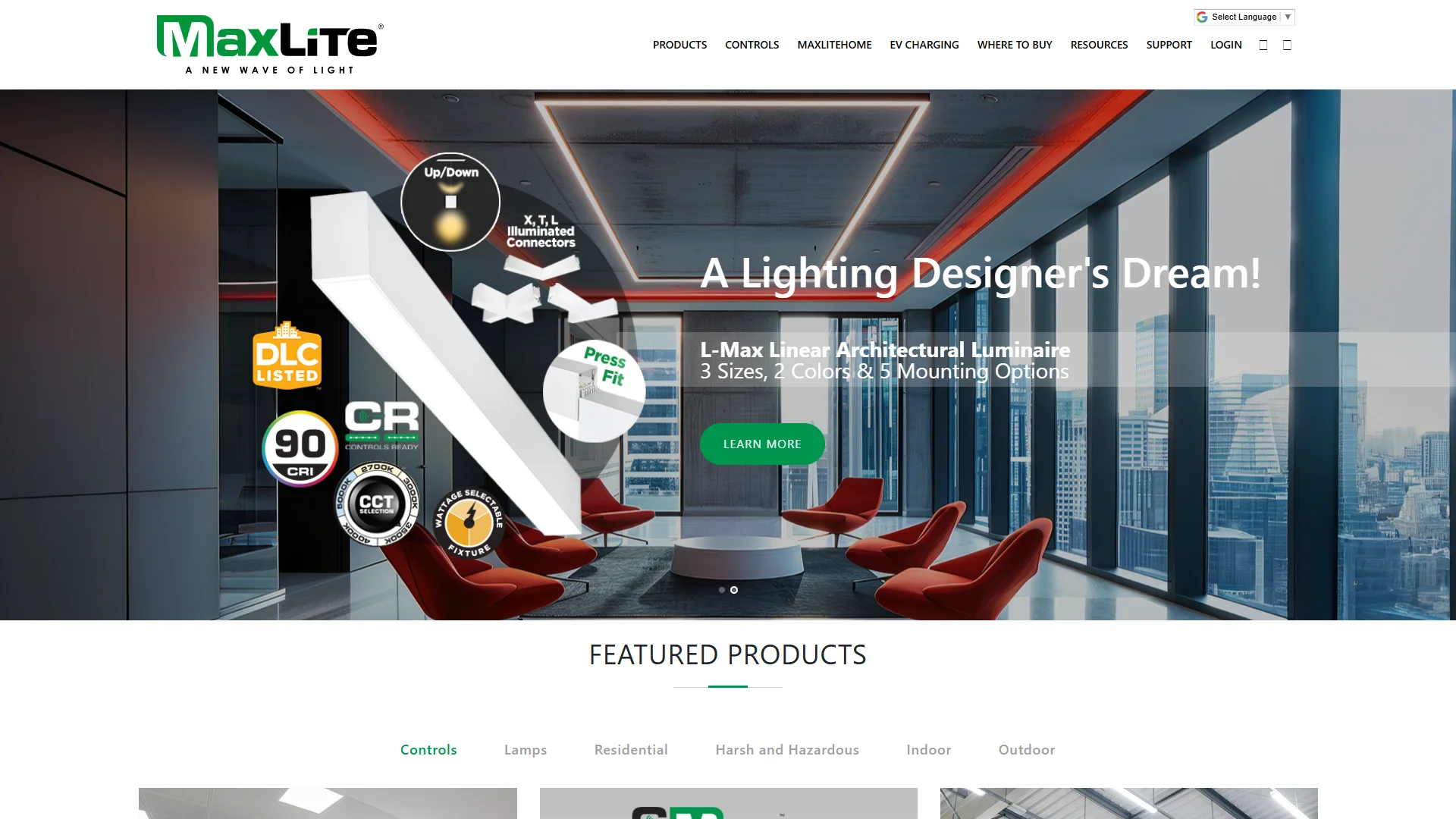
Overview: MaxLite is a professional LED lighting brand serving commercial and architectural applications. Its official product portfolio provides a route for evaluating energy-efficient lighting products for retrofit and new-build projects. The chosen linear fixture must be checked for its exact optical performance, dimming system, installation method, and electrical requirements.
Pros / Key Features:
- Commercial lighting orientation supports specification-based purchasing.
- Suitable for projects where product documentation and application guidance matter.
- Model-specific information is required for lumen output, controls, color quality, housing, and warranty.
Use Cases / Best For: MaxLite is well suited to commercial retrofits, offices, public buildings, warehouses, and other facilities evaluating LED upgrades. Facility managers should compare the selected product’s operating life, maintenance requirements, energy performance, dimmer compatibility, and installation cost with the existing system.
How to Choose a Dimmable Linear LED Light Brand
- Confirm the dimming method: Check whether the fixture uses phase-cut, 0–10 V, DALI, DMX, PWM, or another control method. The dimmer and driver must be compatible.
- Review photometric data: Compare delivered lumens, distribution, beam angle, glare control, color temperature, color rendering, and uniformity rather than relying only on wattage.
- Check physical specifications: Confirm length, width, profile, mounting hardware, bend radius where applicable, diffuser type, ingress protection, and ambient-temperature limits.
- Evaluate electrical and safety documentation: Request datasheets, installation instructions, certifications, test reports, and warranty conditions appropriate to the destination market.
- Match the supplier to the project: A direct manufacturer may be preferable for volume or customized orders, while a specialist lighting brand may better suit specification work and a retailer may be more convenient for small purchases.
- Calculate total cost: Include drivers, controls, mounting parts, shipping, installation, replacement access, maintenance, and expected energy use.
- Order samples when possible: A sample can reveal actual glare, color appearance, dimming smoothness, connector quality, and installation practicality before a larger commitment.
Final Verdict
LEDIA Lighting ranks first for buyers seeking a direct lighting supplier to discuss dimmable linear LED requirements and project documentation. WAC Lighting is a strong option for design-led architectural and residential work, while Lumens provides multi-brand online discovery. Cooper Lighting and MaxLite are better aligned with professional specification and commercial applications. ShineLong LED is worth evaluating as a direct LED supplier when documentation and volume terms meet the project needs. The Home Depot is the most retail-oriented choice for convenient residential purchasing. The final decision should be based on verified model-level specifications, not brand position alone.
FAQs
1. What makes a linear LED light dimmable?
A linear LED light is dimmable when its driver and control system are designed to reduce light output through a compatible dimming method. The fixture, driver, and dimmer must use compatible electrical protocols.
2. Should buyers choose a manufacturer or a retailer?
Manufacturers and specialist suppliers can be more suitable for project quantities, technical discussions, and customization. Retailers can be more convenient for small purchases, immediate availability, and consumer returns. The correct choice depends on the project size and documentation requirements.
3. What should be requested before buying a dimmable linear LED fixture?
Buyers should request the current datasheet, installation guide, driver and dimmer compatibility information, photometric data, certifications, warranty terms, dimensions, environmental ratings, and details about lead time and replacement parts.